Toward A Nationalist Feminism
Toward A Nationalist Feminism
Couldn't load pickup availability
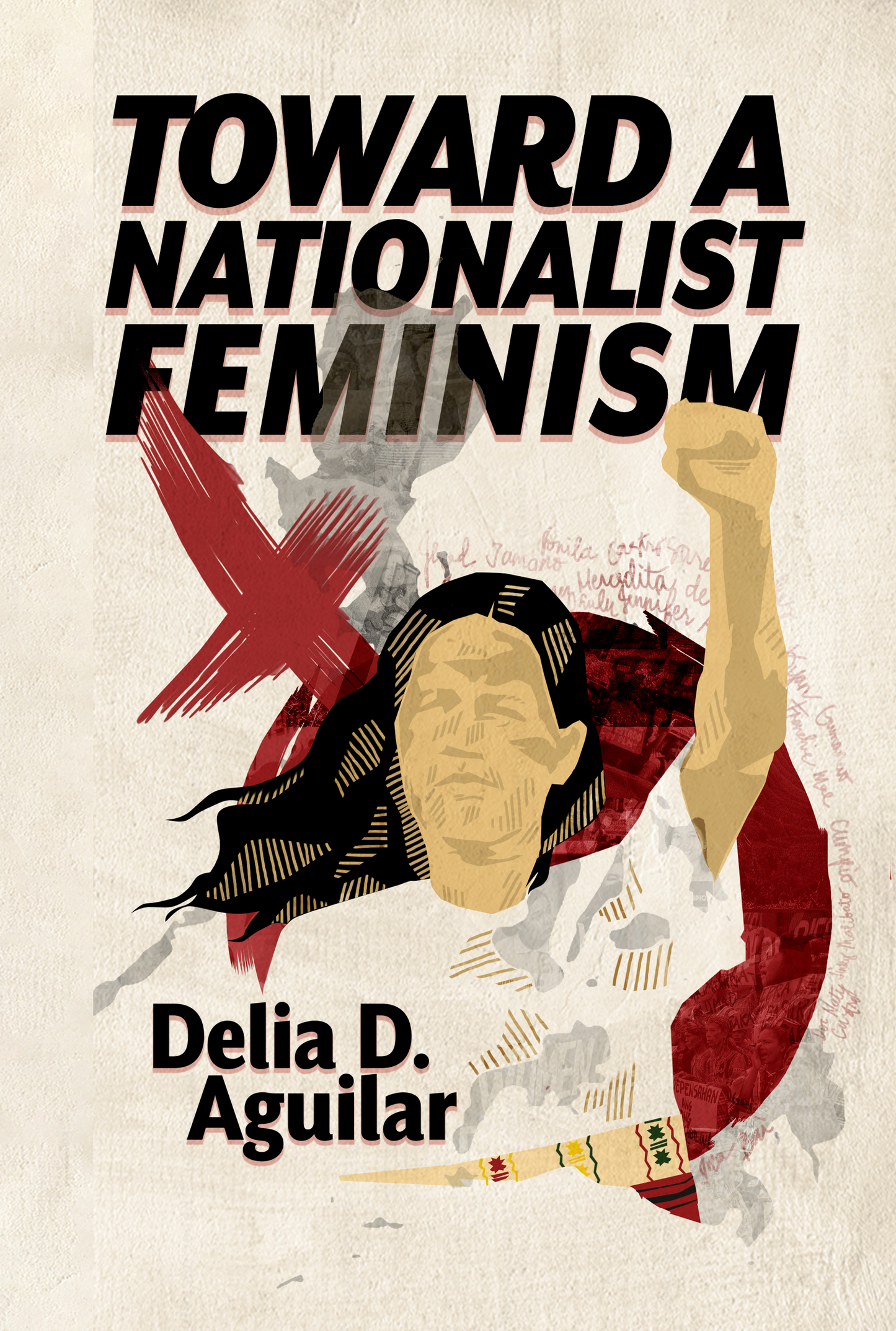
Kritika Kultura in partnership with Gantala Press celebrates the twenty-fifth anniversary of Delia D. Aguilar’s Toward a Nationalist Feminism, a collection of twelve essays published in 1998 by Gloria F. Rodriguez of Giraffe Books—an independent publishing house that provided a platform for women writers in the Philippines.
Spanning the 1980s and 1990s, Aguilar’s collection traces the development of a unique Filipino Marxist feminist voice. Toward a Nationalist Feminism provides an unflinching theoretical intervention that challenges the limitations of Western feminism and simultaneously engages with a mass movement for Philippine national liberation. On one hand, Toward a Nationalist Feminismdocuments two decades of intellectual labor by Aguilar, a pioneering Filipino feminist activist/writer and professor. On the other hand, the collection documents what is possible when Filipino intellectuals engage with a progressive movement for Philippine national sovereignty.
… This anniversary edition includes three additional essays written for different audiences from the 2010s into the COVID-19 pandemic years. Aguilar’s writing is able to speak to academics, activists, and those who exist within both worlds. The text ends by anticipating new chapters on Filipino feminism yet to be written. The postscript is a lively dialogue—an interview with Aguilar conducted by a new generation of feminist activists on the staff of Gantala Press.
… We at Kritika Kultura celebrate the twenty-fifth anniversary of Toward a Nationalist Feminism because we believe it continues to be relevant for Filipinos in the Philippines and throughout a diaspora of over twelve million. Read against the backdrop of intersecting crises (from the COVID-19 pandemic to the expansion of US military bases in the Philippines), readers will discover that Aguilar’s feminist text affirms our progressive Filipino tradition of collective struggle which is renewed again and again in the ongoing movement of “becoming Filipino” in the twenty-first century.